ILTM探究亚洲千禧一代旅行者
本次ILTM Asia展提前采访了《漫旅》杂志出版人兼执行主编田谷女士,双方就有关今年的趋势性议题“探索之路:探究亚洲千禧一代旅行者”进行了讨论。

亚洲千禧一代是全球增长速度最快的豪华消费群体,目前单单中国的千禧一代就有4亿多人,这比美国和欧洲的劳动力人口总和还要多。我们对亚洲个别国家的了解情况如何?
截止到2020年,新兴的千禧一代市场在国际旅程方面的消费额有望达到3400亿美元。通过避免普通化的方式吸引这些潜在客户是一种必不可少的手段。
每个亚洲国家的豪华旅游领域都有不同类型的千禧一代旅行者,随之而来的也有一些挑战。为了占领这一多样化的市场,企业需要确保他们了解的是,这些具有品牌意识的旅行者真正需要的是什么。
就中国年轻的富裕阶层而言,如果只能说出他们的一种特性的话,您觉得会是什么?
中国的千禧一代与亚洲其他国家的千禧一代有什么不同?
中国千禧一代最大的旅游趋势是什么?
未来12个月内中国的千禧一代会前往哪里旅游?目前有没有您期望出现的其他特定趋势?
中国千禧一代的旅游灵感源自哪里?(网络、报纸杂志、社交媒体平台等)
对于那些希望在中国增强品牌认知度的豪华品牌而言,您最想提的一条建议是什么?
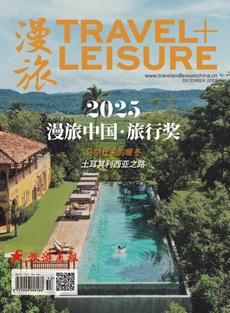
 田谷女士表示:“我觉得中国千禧一代学习能力很强,他们与国外富N代的最大区别在于,富裕千禧一代的父母大多以实业起家,他们则不太愿意继续继承劳动密集型的工作。不过,他们注重深度旅行反对走马观花,他们愿意住奢华酒店,也愿意花更多的时间在旅行的艺术、美食和文化等知识的深度体验中。对于目的地而言,只要是签证允许和航班可以到达的地区,人们都会发现千禧一代的身影。我认为他们的旅行灵感依旧来自媒体的深度报道,比如《漫旅Travel+Leisure》所坚持的深入采写与深度阅读,有些也来自于朋友间的互相推荐和影响,但互联网的碎片化报道很难真正带来目的地的真知灼见,这也是《漫旅Travel+Leisure》这个品牌的一直会坚持的原因与动力。”
 I think that the learning ability of Chinesemillenials is very strong, the biggest difference between them and foreign richand younger generation is that their parents are mostly started from theindustry, they are reluctant to continue to inherit labor-intensive work.However, they pay attention to the in-depth travel, they don’t like skimmingthe surface, they are willing to stay in luxury hotels, but also willing tospend more time in in-depth experience in the art of traveling, food andculture. For the destination, as long as the visa is approved and the area thatthe flight can reach, people will find the millennials’ figures. I think thattheir travel inspiration is still from in-depth reporting, such as"Travel+Leisure", we insist on in-dpeth writing and reading, somealso come from the friends’ recommendations and influences, but thefragmentation of the Internet reports is difficult to really bring insight andperspicacity, this is the reason and motivation why our "Travel +Leisure" insists to this day.


订阅全年漫旅Travel+Leisure
-

- 《漫旅Travel+Leisure》杂志,旅行行业的风向标,最具魅力旅行生活的倡导者、报道者和分享者,以独特的视角深入报道独一无二的旅行线路和享受之旅,真实的现场报道。